 Comparison
Does Natural Flea Prevention for Dogs Really Work?
Quick Summary
Natural flea prevention for dogs can help in some situations, but its results are less proven than vet-approved products. Sprays and homemade repellents usually repel fleas only briefly, while washes and home treatments address an existing problem. Speak with your veterinarian before using any natural option.
- Check whether a label claims to repel, kill or prevent, since these are different jobs.
- Homemade repellents vary widely, and no standard safe concentration has been established.
- Essential oils can be unsafe for dogs, with puppies and small dogs at highest risk.
- Baths and shampoos work during an active infestation but leave no lasting protection.
- Daily botanical chewables lack independent effectiveness data in the listing reviewed.
Table of Contents
- How We Evaluated Natural Flea Prevention for Dogs
- Comparison Table: Natural Flea Options at a Glance
- Natural Flea and Tick Spray for Dogs: Application and Limits
- Natural Flea and Tick Repellent for Dogs Homemade: Does It Hold Up?
- Chewables, Shampoos and Home Treatments Reviewed
- Best Natural Flea Prevention for Dogs Reviews: Who Each Option Suits
- What Dog Owners Report: Natural Flea Prevention Review Reddit Discussions
- Choosing Your Next Step for Flea Control on Your Dog
- Frequently Asked Questions
How We Evaluated Natural Flea Prevention for Dogs
Last Updated: November 14, 2026

Natural flea prevention for dogs is a crowded shelf of botanicals, sprays and home remedies, and most of the labels make the same promises. At Best Online Pets Supply, we stock over 2,500 products from more than 500 pet brands. Before we rank anything, the question to answer is simple: does a natural option actually keep fleas off a dog, or does it just sound gentle?
We judged each option on what a dog owner can check. That means the ingredients on the label, how the product is applied, what the listing claims, and whether there is any published evidence behind those claims.
Some practical points shaped our approach. Natural does not automatically mean safe for every dog, and home-made or essential-oil products call for extra caution around puppies and sensitive animals.
Here is what we looked at for each option:
- Ingredients: what the product contains and what the listing says those ingredients do
- Application: whether it is a chew, spray, wash or home treatment, and how often it must be repeated
- Evidence: whether the claims are backed by a named source or only by marketing copy
- Limits: the situations where the option is unlikely to be enough on its own
Watch out: a "natural" label is not a guarantee of effectiveness. Check whether the product claims to repel, kill or prevent, because those are different jobs.
Comparison Table: Natural Flea Options at a Glance
The table below is a comparison of common natural flea options, not a verdict on any one brand. It covers the active ingredient, application method, coverage, duration, main limitation and approximate running cost. Where a label or listing does not disclose a detail, the cell is marked "not stated."
| Option | Active ingredient(s) | Application method | Coverage | Duration / reapplication | Main limitation | Approx. cost to run |
|---|---|---|---|---|---|---|
| Daily botanical chewable | Neem, coriander seed, brewer's yeast (per the listing we reviewed) | Given with food once daily | Whole dog, systemic-style support claim | Daily; no onset or residual data stated | No independent effectiveness data in the listing; not a kill claim | Not stated on the listing we reviewed |
| Diatomaceous earth | Amorphous silica (DE) | Dusted into carpets, bedding, cracks and yard | Environment only, not the dog | Reapply after vacuuming or rain; no residual claim | Not a dog-specific preventive; inhalant irritant, keep away from airways | Low; sold as bulk powder |
| Citrus Castile soap shampoo | Saponified plant oils plus citrus | Bath; lather, leave briefly, rinse | Dog's coat at time of bath | Ends when the dog dries; repeat as needed during an infestation | No residual protection; not a preventive | Low per bath |
| Homemade spray or repellent | Vinegar, citrus, or diluted essential oils in water | Mist coat and bedding | Dog's coat and immediate bedding | Hours at best; recipe-dependent | Concentration untested; essential-oil toxicity risk varies by oil and dog | Very low |
| Essential-oil spot-on or collar (plant-based) | Variable; often peppermint, cedarwood, geranium | Applied to skin between shoulders or worn as a collar | Dog, with variable coverage | Label-dependent; often monthly | Skin reactions; some oils unsafe for dogs; not equivalent to prescription actives | Mid-range |
| Prescription or vet-recommended flea product (reference row) | Isoxazoline or other vet-approved active | Chew, topical or collar | Whole dog | Label-defined (often monthly or longer) | Requires veterinary involvement; not "natural" | Higher |
Watch out: "repels," "kills," and "prevents" are three different claims, and a product that only repels will not reduce an existing flea population. Check which verb the label uses before you compare it to anything in the reference row.
Natural Flea and Tick Spray for Dogs: Application and Limits
Sprays are a common natural format, and the label does not always make clear which job the product is doing. Before you buy, identify the active ingredient and the claim verb. A spray built on cedarwood, peppermint or geranium is usually making a repellent claim, it aims to make the dog less attractive to fleas for a short window. A spray built on a plant oil with documented insecticidal action is making a kill claim and needs a contact time to work.
Application matters more than the ingredient list for a repellent spray. Work in a calm, well-lit space, mist the coat from roughly six to eight inches, and work the product through with your hands so it reaches the skin rather than sitting on the guard hairs. Keep it off the face, eyes and muzzle, and do not spray into the ears.
Dilution is where homemade and concentrate sprays go wrong. If a recipe or label calls for dilution, measure it, "a few drops" in a spray bottle produces a concentration nobody has tested, and a stronger mix is not a more effective one. Essential oils are the specific hazard here: some are irritating to skin, and some are unsafe for dogs even in small amounts, with puppies and small dogs at highest risk because of body weight.
Watch out: ingestion is the risk most owners underestimate. A dog that licks its coat after a spray swallows the product, so avoid applying essential-oil sprays to areas the dog can easily reach, and never use a spray on a dog that is already wearing a vet-prescribed topical without checking with your veterinarian first.
The limit is coverage over time. A repellent spray that is applied once and forgotten will not hold back a flea population, particularly in a multi-pet household or a wooded yard where exposure is constant. A spray is best treated as one step in a routine, useful for a walk in tall grass, a trip to a dog park, or short-term support during an infestation, not as a standalone preventive.
Natural Flea and Tick Repellent for Dogs Homemade: Does It Hold Up?
Homemade repellents usually combine vinegar, citrus or essential oils in water. The appeal is obvious: the ingredients are cheap and familiar. The problem is that home recipes vary widely, and no standard concentration has been tested for safety or effect on dogs in the sources we reviewed.
Essential oils deserve particular caution. Some are irritating to skin, and some are unsafe for dogs even in small amounts. Puppies, older dogs and animals with sensitive skin are the groups most likely to react badly. If an owner wants a homemade option, the honest advice is to test a small patch first and to ask a veterinarian before using essential oils on a dog at all.
We would not describe a homemade repellent as a reliable preventive. It may make a dog less attractive to fleas for a short time, but the evidence available to us does not support a claim of dependable, lasting protection.
Chewables, Shampoos and Home Treatments Reviewed
Chewables, shampoos and home treatments each do a different job, and they should not be judged against each other as if they were the same product.

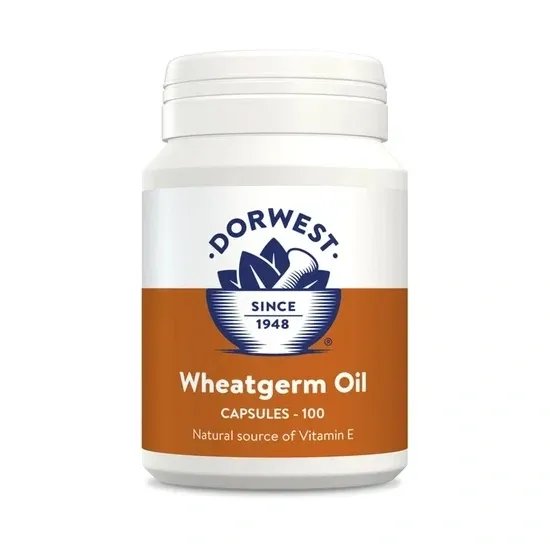
Daily chewables are convenient because they require no handling of the animal. Some botanical chewables contain ingredients such as neem, coriander seed and brewer's yeast, and are presented as a way to support the dog's natural defences. Our guide to high-quality immunity-supporting pet supplements compares these chewables for dog owners.
Shampoos built around citrus Castile soap are used to wash fleas off the dog. This is a real and immediate action, but it ends when the dog dries. Wash days are useful during an active infestation, not as a permanent barrier.
Diatomaceous earth belongs in a different category. It is a home treatment that is generally described as dehydrating fleas. It targets the environment rather than the dog, and it should be used with care around the animal's airways.
Best Natural Flea Prevention for Dogs Reviews: Who Each Option Suits
There is no single best option, because the right choice depends on the dog, the home and how much flea pressure is present.
A daily chewable may suit an owner who wants a routine that needs no handling and who is comfortable with a botanical product that is not yet backed by independent data. A wash suits an owner dealing with a current flea problem on one dog who needs quick relief. A home treatment suits an owner whose main concern is fleas in carpets, bedding and the yard rather than on the dog's coat.
Owners of puppies, pregnant dogs, dogs with medical conditions and dogs that already take prescription treatments should speak with a veterinarian before adding any natural product. Natural does not mean it will not interact with other treatments.
What Dog Owners Report: Natural Flea Prevention Review Reddit Discussions
Treat these reports as a guide to what to watch for, not as proof that any product works. A single positive review does not show lasting prevention, and a single negative one does not prove a product is unsafe.
Choosing Your Next Step for Flea Control on Your Dog
If you are deciding what to try, start with the problem you are solving. Our guide to choosing healthy dog food explains how to evaluate products carefully before you commit. For an active infestation, a wash or a home treatment may be the most useful first step, combined with a thorough clean of bedding and floors. For ongoing prevention, a daily chewable or a regular spray fits a routine better, provided you accept that the evidence behind it is limited.
Read the label before you buy. Our guide to reading pet food labels shows you how to check what a natural flea product actually contains. Check the ingredients, the application method and any age or health warnings, and make sure the product matches what it claims to do. If you are unsure whether a natural option is suitable for your dog, speak with your veterinarian first, particularly for puppies, older dogs and animals on other medication.
If you're building a routine that needs a dependable ongoing preventive, our Free Shipping with $99.00 order offer may help with delivery costs. Pricing depends on quantity, dates and delivery, so check Best Online Pets Supply's website for current prices. Browse our range of natural flea and tick treatment options to compare what is available, and remember that a combined routine of prevention, cleaning and regular checks is generally a sensible approach.
Frequently Asked Questions
Does natural flea prevention for dogs actually work?
Natural flea prevention can reduce flea numbers, but evidence of consistent effectiveness is limited compared with veterinary-approved products. Most natural options, such as sprays, chewables and washes, are supported mainly by owner reports and ingredient descriptions rather than controlled testing. Results also depend on infestation level, whether the home is treated, and how consistently the product is applied. If fleas persist after several weeks, speak to your veterinarian about a proven preventive.
Are natural flea sprays safe for dogs?
Many natural flea sprays are considered gentle, but safety depends on the ingredients. Essential oils such as tea tree, peppermint and citrus can irritate skin or cause toxicity, and cats are especially sensitive to many of them. Always patch-test a small area, avoid the face and eyes, and check the full ingredient list before use. Puppies, pregnant or nursing dogs, and dogs with skin conditions should be checked by a vet first.
Which natural ingredients help repel fleas on dogs?
Ingredients most often cited in natural flea products include neem, coriander seed, brewer's yeast, apple cider vinegar and diatomaceous earth. Neem and coriander appear in chewable botanical formulas, while diatomaceous earth is described as working by drying out fleas, mainly for home treatment. Evidence for each ingredient varies, so treat them as supporting measures rather than guaranteed protection, and combine them with regular vacuuming and washing of bedding.
When should you choose a veterinarian-recommended flea treatment instead?
Choose a veterinarian-recommended treatment if your dog already has a heavy flea infestation, shows signs of flea allergy dermatitis, or lives in a high-risk area with ticks and mosquitoes that can carry disease. Dogs that spend time in wooded areas or around other animals also benefit from proven prevention. Your vet can advise on the right product for your dog's age, weight and health history.