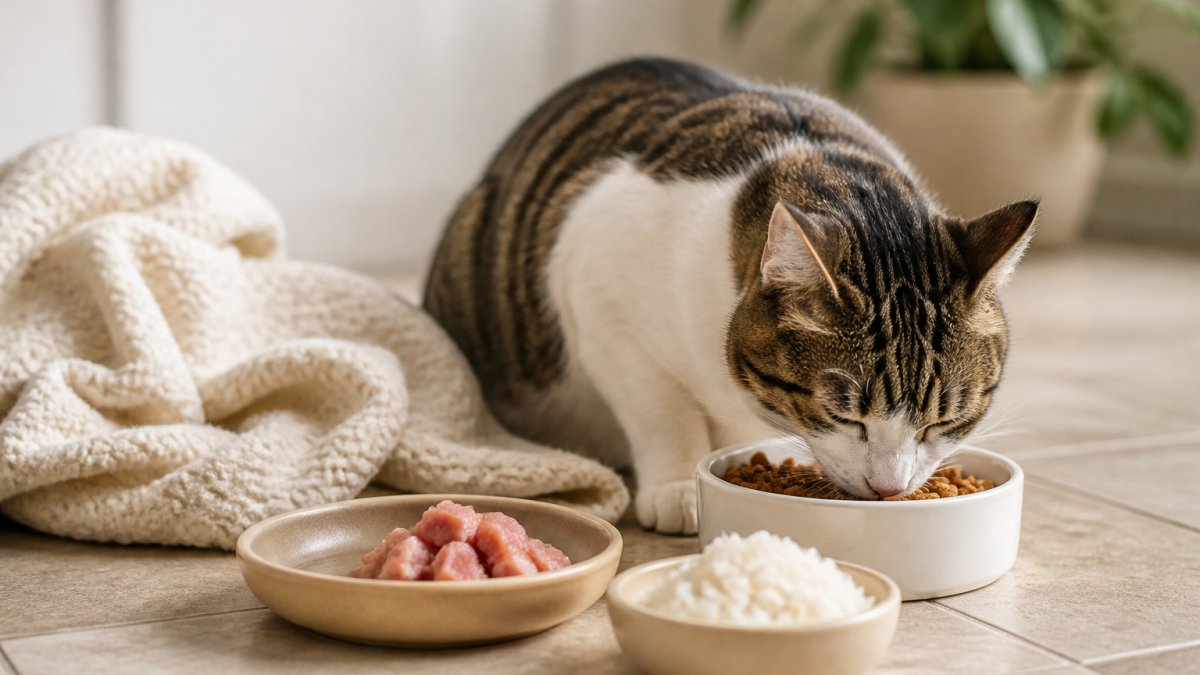
 Ultimate guide
Safe Cat Food for Sensitive Stomachs: A 2026 Guide
Table of Contents
- Symptoms of Sensitive Stomach in Cats
- What Causes Digestive Upset in Cats
- Key Ingredients for Digestive Health
- Limited Ingredient Cat Food Benefits
- Wet vs. Dry Food for Cats With Digestion Issues
- How to Transition Cat Food Safely
- When to Consult Your Veterinarian
- Building Your Cat's Digestive Health Plan
- Frequently Asked Questions
Last Updated: September 29, 2026
Symptoms of Sensitive Stomach in Cats
Common signs of a sensitive stomach include vomiting after meals, diarrhea, inconsistent stool quality, discomfort, restlessness, and reluctance to eat normal portions.
Watch for behavioral changes: lethargy, hiding, appetite changes (ravenous or reduced), and mucus in stool, all signs of digestive distress.
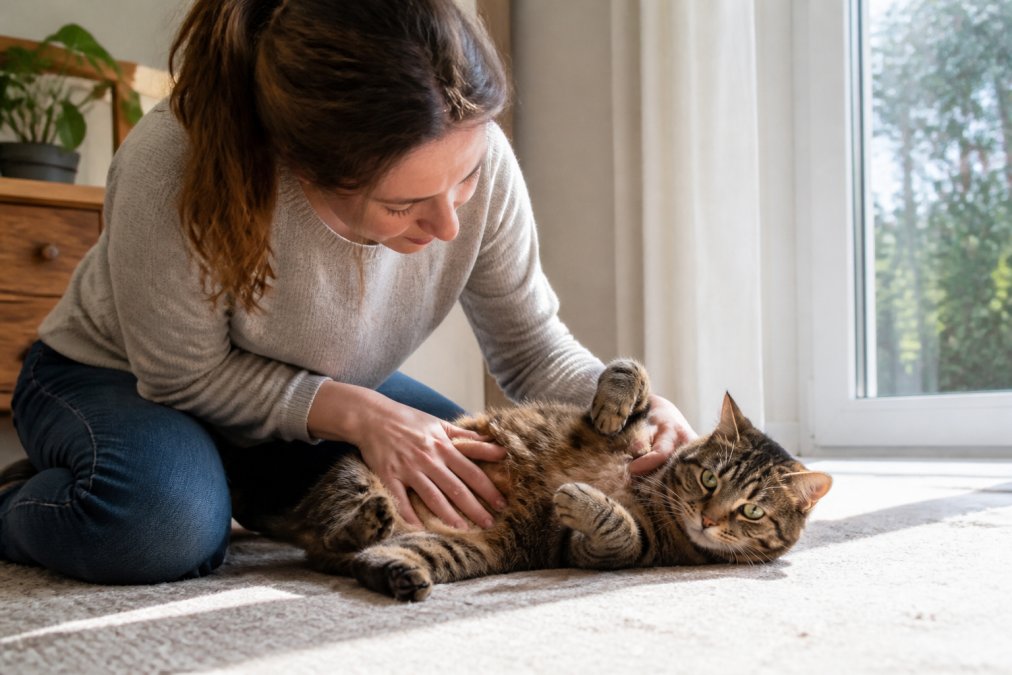
Track eating habits and bathroom patterns to catch digestive problems early; sudden appetite changes signal diet inadequacy or discomfort.
What Causes Digestive Upset in Cats
Food sensitivities, where the digestive system struggles to process specific ingredients, are among the most common causes of digestive upset in cats.
Low-quality proteins, excessive fillers, and artificial additives cause incomplete digestion, leading to bloating, gas, and irregular bowel movements.
Environmental stressors, household changes, new pets, moving, routine shifts, trigger stress-related digestive issues by reducing beneficial bacteria and increasing gut inflammation.
Cats may react to specific proteins (chicken, beef) or grains; rapid diet transitions cause upset because the digestive system needs time to adapt.
Key Ingredients for Digestive Health
When evaluating safe cat food for sensitive stomachs, focus on ingredients that actively support digestive health.
High-Quality Protein Sources
Choose named meat proteins (chicken, turkey, fish) over vague terms like "meat meal" or "poultry by-products." Whole meat proteins break down efficiently, while by-products contain harder-to-digest connective tissues and bone fragments.
Hydrolyzed proteins are pre-broken into smaller peptide chains during manufacturing, making them ideal for severe sensitivities and elimination diets since they rarely provoke reactions.
Prebiotic and Soluble Fiber
Prebiotic fibers (chicory root, psyllium husk) feed beneficial bacteria, which produce short-chain fatty acids that nourish the intestinal lining, reduce inflammation, and strengthen the gut barrier.
Soluble fiber forms a gel that slows digestion, improves nutrient absorption, and firms loose stools within 1-2 weeks by protecting the intestinal lining.
Omega-3 Fatty Acids
Omega-3 fatty acids (from fish oil or flaxseed) reduce gut inflammation by competing with inflammatory omega-6s, supporting intestinal barrier function and reducing food antigen reactions.
Limited Ingredient Formulations
Limited ingredient diets reduce antigenic load by restricting to one or two proteins and eliminating common irritants (corn, wheat, soy, additives), making it easier to identify triggers.
Probiotics and Digestive Enzymes
Probiotics (Lactobacillus, Bifidobacterium) strengthen the intestinal barrier and outcompete harmful bacteria. Digestive enzymes reduce pancreatic workload, allowing healing while maintaining nutrition; enteric-coated formulations survive stomach acid better.
Limited Ingredient Cat Food Benefits
Limited ingredient formulas reduce potential irritants, making it easier to identify which ingredients cause problems.
If your cat responds well to a limited ingredient formula, you can introduce new ingredients methodically to identify triggers.
Limited ingredient diets can reduce veterinary visits, medications, and improve your cat's energy and happiness.
Wet vs. Dry Food for Cats With Digestion Issues
Wet food is easier to digest due to high moisture content, reducing digestive workload and supporting hydration and gastrointestinal health.
Dry kibble requires more digestive effort; tolerance depends on ingredient quality and digestibility rather than format alone.
A mixed approach, primarily wet food with occasional dry kibble, provides variety while maintaining digestive stability.
Wet food spoils quickly; premium dry foods formulated for sensitive digestion work well if convenience is important. Choose based on your cat's response and your ability to manage storage.
Best Online Pets Supply stocks premium wet and dry options for digestive health with free shipping on qualifying orders.
How to Transition Cat Food Safely
Gradual food transitions prevent digestive upset and can be structured as elimination diets to identify specific food triggers.
Standard Transition Protocol
Most cats need 7-10 days to adjust; some require 2-3 weeks. Mix 25% new food with 75% old for days 1-3, increase to 50/50 for days 4-6, then 75/25 for days 7-9, and finally 100% new food. If vomiting or loose stools occur, slow the transition.
Structured Elimination Diet Protocol
If your cat's digestive issues persist despite multiple food changes, a structured elimination diet can pinpoint the exact trigger. This approach differs from casual food switching because it isolates variables systematically.
Begin with a baseline limited ingredient diet containing a single novel protein source (one your cat has never eaten, such as duck, venison, or rabbit) and a single carbohydrate source (such as sweet potato or pea). Feed only this food for 8-12 weeks without any treats, table scraps, or flavored medications. This extended period allows inflammation to resolve and gives you a clean baseline for comparison.
During the elimination phase, document your cat's symptoms weekly using a simple chart: stool quality (firm, soft, loose, or diarrhea), frequency of bowel movements, vomiting incidents, appetite level, energy level, and any skin issues. Take photos of stool samples if quality varies significantly. This detailed record becomes your diagnostic tool.
After 8-12 weeks, if symptoms improve noticeably, you've confirmed a food sensitivity exists. The next phase, reintroduction, identifies the specific culprit. Introduce one new ingredient every 1-2 weeks while keeping everything else constant. For example, add a different protein source (chicken) for 2 weeks while monitoring for symptom return. If symptoms reappear, you've identified a trigger. If not, that ingredient is likely safe.
Continue this single-ingredient reintroduction process methodically. Many cats react to specific proteins (chicken, beef, fish) or grain sources (wheat, corn) rather than all proteins or all grains. By testing one variable at a time, you build a personalized safe-food profile for your cat.
Tracking and Documentation
Keep detailed notes throughout any transition or elimination diet. Record the date, food composition, portion size, and your cat's response. Note not just digestive symptoms but also behavioral changes: lethargy, hyperactivity, or changes in grooming habits often accompany digestive upset.
Use a simple spreadsheet or notebook with columns for date, food, stool quality (1-5 scale, with 1 being firm and 5 being diarrhea), vomiting (yes/no), appetite (normal/reduced/increased), and energy level (normal/lethargic/hyperactive). This quantified approach reveals patterns that memory alone misses. For example, you might notice that loose stools appear 12-24 hours after eating a specific ingredient, helping you connect cause to effect.
If you need to consult your veterinarian, bring this documentation. It provides objective evidence of your cat's response to dietary changes and helps your vet rule out non-dietary causes or recommend targeted diagnostics.
Transition Timing and Household Factors
Avoid starting a food transition or elimination diet during periods of household stress. Moving, introducing new pets, or major routine changes trigger stress-related digestive upset that can confound your results. Choose a stable period when your cat's environment is predictable and calm.
If multiple cats share a household, isolate the sensitive cat during feeding to prevent it from eating other cats' food.
When to Consult Your Veterinarian
Persistent digestive issues that don't improve after 4-6 weeks of dietary changes warrant veterinary consultation. Your cat may have underlying conditions like inflammatory bowel disease, food allergies, or parasites that require professional diagnosis and treatment.
Building Your Cat's Digestive Health Plan
Creating a comprehensive digestive health plan for your cat requires combining proper nutrition, careful feeding practices, and ongoing monitoring. Start by selecting a high-quality, easily digestible food that matches your cat's specific needs. Whether you choose limited ingredient formulas, wet food, or specialized prescription diets depends on your cat's individual response and veterinary recommendations.
Frequently Asked Questions
What food will settle a cat's stomach?
Cats with digestive upset often respond well to limited ingredient diets featuring a single, high-quality protein source and easily digestible carbohydrates. Wet food is typically gentler than dry kibble because it's closer to a cat's natural moisture intake and requires less digestive effort. Foods containing prebiotic fiber and probiotics support gut microbiome health. Always transition slowly over 7-10 days to allow the gastrointestinal tract to adjust. Consult your veterinarian if symptoms persist beyond the transition period.
Is wet or dry food better for cats with sensitive stomachs?
Wet food is generally superior for cats with sensitive stomachs. It provides higher moisture content, which supports proper hydration and nutrient absorption. Dry kibble requires more digestive effort and can sometimes trigger gastrointestinal upset in sensitive cats. Wet food also tends to have fewer fillers and artificial additives. That said, some cats do well on a combination of both, discuss with your vet which ratio suits your cat's specific digestive needs.
What ingredients should I avoid in cat food for sensitive stomachs?
Avoid foods with artificial colors, flavors, and preservatives, which can trigger food sensitivities. Steer clear of by-products and low-quality protein sources that are harder to digest. Common culprits include corn, wheat, and soy, cats often have difficulty processing these fillers. Avoid foods with excessive fat content, which can cause diarrhea. Look for named meat sources (chicken, turkey, fish) rather than vague protein descriptions. If your cat has known food intolerances, read labels carefully to eliminate those specific proteins.
How do I transition my cat to a new sensitive stomach diet?
Gradual transitions prevent gastrointestinal upset. Spend 7-10 days mixing increasing amounts of new food with the old food: Days 1-2 (75% old, 25% new), Days 3-4 (50% old, 50% new), Days 5-6 (25% old, 75% new), Days 7-10 (100% new). Monitor stool quality and appetite throughout. If your cat shows vomiting or diarrhea, slow the transition further. Keep a food diary to track any reactions. Some cats with severe sensitivities may need an even longer 14-day transition period.