 Ultimate guide
How to Manage Pet Allergies: A 2026 Guide
Table of Contents
- Understanding Pet Allergens and How They Affect You
- Recognizing Common Symptoms of Pet Allergies
- How to Reduce Pet Dander in the House
- Creating and Maintaining Pet-Free Zones
- Medical Treatments and Allergy Management Options
- Best Supplements for Senior Dogs with Allergies
- Managing Seasonal Allergies in Dogs
- Frequently Asked Questions
Last Updated: October 7, 2026
Understanding Pet Allergens and How They Affect You
Pet allergens are not hair or fur, but proteins found in dander (dead skin cells), saliva, urine, and sebaceous glands. The best-known are Can f 1 (dog) and Fel d 1 (cat), though Can f 2, Fel d 2, and albumin can also trigger reactions.
When you inhale these proteins, your immune system produces immunoglobulin E (IgE) antibodies that bind to mast cells in your airways and skin. On later exposure, allergens cross-link the IgE, causing mast cells to release histamine and other inflammatory chemicals, producing the sneezing, itching, and congestion you feel.
A persistent myth is that certain breeds are "hypoallergenic." No breed is truly hypoallergenic. Poodles, Bichon Frises, and Schnauzers shed less hair, reducing dander around the home, but they still produce Can f 1 and Fel d 1 in their saliva and skin.
At Best Online Pets Supply, we believe informed decisions lead to better outcomes. Knowing the science behind pet allergens helps you set realistic expectations and choose strategies that work, rather than relying on breed labels that offer false hope.
Recognizing Common Symptoms of Pet Allergies
To manage pet allergies, you need to recognize symptoms that typically appear within minutes to hours of exposure, including sneezing, nasal congestion, itchy or watery eyes, and skin irritation. Some people develop a rash where their pet has licked or rubbed against their skin.
More severe symptoms include asthma triggers like wheezing, chest tightness, and difficulty breathing. If you have asthma, pet allergens can worsen your condition significantly. Symptoms tend to improve when you leave the house and return when you come back into contact with your pet's environment.
Timing and consistency matter: if sneezing starts right after petting your dog or sitting where your cat sleeps, allergies are likely.
How to Reduce Pet Dander in the House
Reducing airborne allergens requires a multi-layered approach combining air filtration, aggressive cleaning, and pet grooming. Start by identifying where your pet spends the most time, these areas accumulate the highest allergen concentrations.
Air Filtration and HEPA Technology
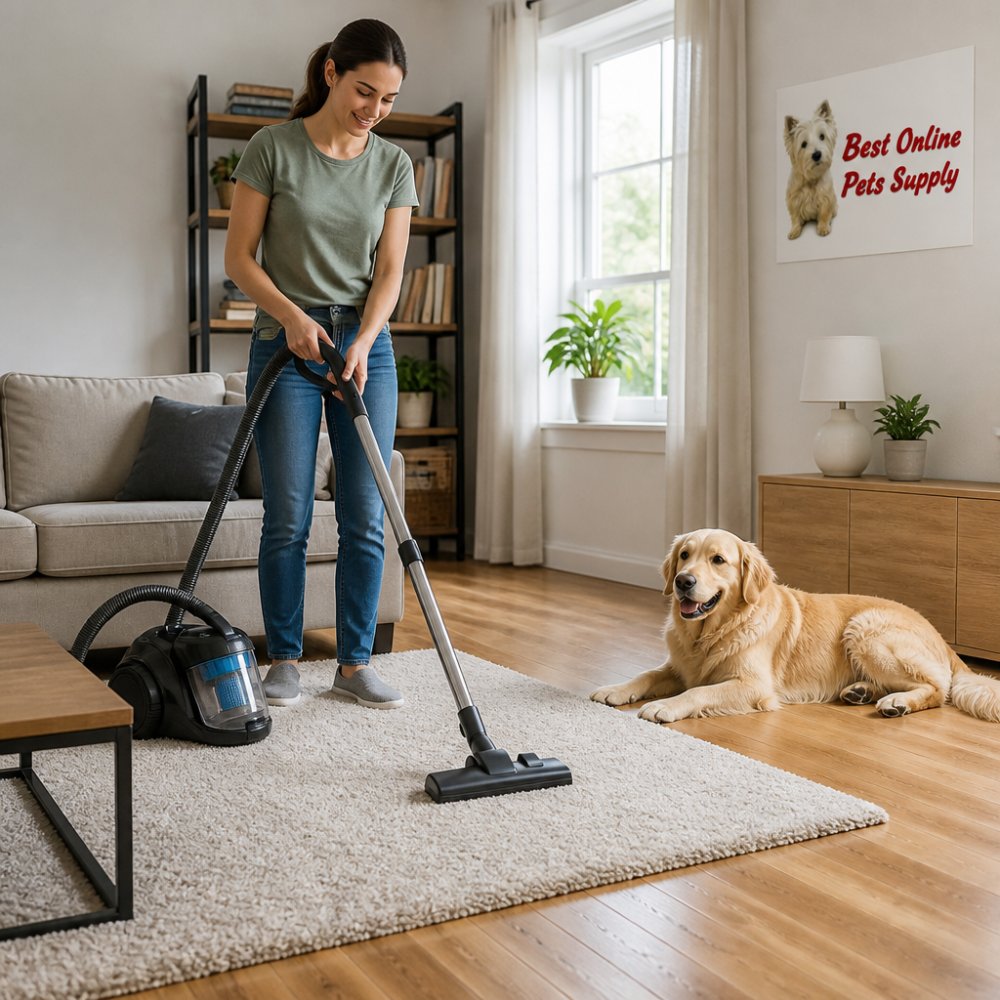
A HEPA filter removes 99.97% of particles 0.3 microns or larger, capturing most pet allergens before they settle. Invest in a true HEPA air purifier for your bedroom and living room, and run it continuously to maintain lower allergen levels.
Pair your air purifier with HEPA vacuum bags or filters. Standard vacuums recirculate allergens back into the air, while a HEPA-equipped vacuum removes them. Vacuum high-traffic areas at least twice weekly, more often with multiple pets or severe allergies.
Check your HVAC filters monthly. Upgrade to MERV 13 or higher to trap smaller particles, and change them every 30-60 days instead of the typical 90 when you have pets. Consider adding a whole-home air purifier for comprehensive allergen reduction.
Cleaning and Vacuuming Strategies
Microfiber cloths capture allergens better than cotton; use them damp, since dry cloths stir up particles. Wipe down windowsills, shelves, and any furniture your pet contacts weekly.
Wash your pet's bedding weekly in hot water above 130°F to kill dust mites and break down allergen proteins. Use allergen-resistant covers on your own mattress and pillows to create an allergen-free sleeping zone, they block allergens while staying breathable and comfortable.
Steam clean carpets every 4-6 weeks; vacuuming removes surface allergens, but steam reaches deeper fibers. If your allergies are severe, consider replacing high-traffic carpets with hard flooring like tile or laminate, which traps far fewer allergens.
Bathing and Grooming Routines
Bathe your pet every 1-2 weeks to remove allergens from their coat and skin and reduce shedding dander. Use a gentle, hypoallergenic shampoo, harsh products can irritate skin and increase dander production.
Brush your pet outdoors 2-3 times weekly to remove loose hair and dander before it enters your home, this significantly reduces indoor allergen accumulation. If you're allergic, wear a dust mask while brushing.
Consider professional grooming every 4-6 weeks. Groomers have specialized equipment to remove allergens more thoroughly than home bathing, and they work in ventilated environments that keep allergens out of your living space.
Creating and Maintaining Pet-Free Zones
Your bedroom should be a sanctuary from pet allergens. Keeping your pet out entirely provides the most dramatic symptom relief for most people, since you spend 8 hours daily in close proximity to your bedding.
Use allergen-resistant door seals to stop allergens drifting under doors. Wash bedding weekly in hot water and use allergen-proof mattress and pillow covers. If your pet has been in the bedroom for months, deep clean before setting the new boundary: vacuum thoroughly, wash all textiles, and wipe down surfaces.
Consider a pet-free zone in your living room too, especially if you spend significant time there. Use washable furniture covers on your pet's favorite spots and keep other seating allergen-free for yourself.
Medical Treatments and Allergy Management Options
To manage pet allergies effectively, medical management ranges from symptom relief to long-term immune modification. The right approach depends on your symptom severity, commitment to environmental controls, and emotional attachment to your pet. Work with a board-certified allergist to tailor a plan. Complementing these clinical interventions with consistent cleaning for pet allergies significantly reduces the total allergen load within your living space.
Antihistamines and Nasal Corticosteroids
Second-generation antihistamines like cetirizine (Zyrtec), loratadine (Claritin), and fexofenadine (Allegra) are first-line for mild symptoms, reducing sneezing, itching, and watery eyes but not congestion. For congestion, nasal corticosteroid sprays such as fluticasone (Flonase) or mometasone (Nasonex) work better; they take 3-7 days of consistent use to reach full effect, so start before peak exposure and use daily, not as needed.
A common mistake is relying on decongestants for more than three days. Oral pseudoephedrine can raise blood pressure and cause insomnia, while topical sprays (oxymetazoline) cause rebound congestion past three days. Use them sparingly, only for short-term relief during severe flare-ups.
For eye symptoms, ketotifen or olopatadine eye drops are effective. For skin reactions, a low-potency hydrocortisone cream can calm localized rashes, but widespread hives may require an oral corticosteroid burst prescribed by a doctor.
Allergy Immunotherapy and Desensitization
Allergy shots (subcutaneous immunotherapy) and sublingual tablets (SLIT) are the only treatments that modify the immune system long-term. They introduce gradually increasing allergen doses, teaching your body to produce blocking antibodies (IgG) instead of IgE, so mast cells become less reactive over time.
Shots involve weekly injections for 3-6 months, then monthly maintenance for 3-5 years; about 80-85% of patients see significant symptom reduction, and some achieve lasting remission.
Immunotherapy is not a quick fix. It demands commitment and patience, but it is the closest thing to a cure for pet allergies. It works best when combined with environmental controls, you are reducing exposure while retraining your immune system.
The Psychological Impact of Rehoming: A Last Resort
For some, symptoms remain unmanageable despite all efforts. Rehoming a pet is emotionally devastating, studies show relinquishing a pet can trigger grief, guilt, and depression similar to losing a family member. It is a last resort, not a failure.
Before considering rehoming, exhaust all options: consult an allergist for advanced therapies, try a strict pet-free bedroom, invest in high-quality HEPA filtration, and consider professional cleaning. If you have asthma and severe symptoms, your doctor may advise rehoming for your safety, then work with a reputable rescue or rehoming network to ensure your pet goes to a good home.
At Best Online Pets Supply, we support pet owners through every stage. Our grooming supplies and air purification products help you maintain a comfortable home, and our team can help you find solutions that keep you and your pet together.
Best Supplements for Senior Dogs with Allergies
Senior dogs often develop allergies as their immune systems age, and supplements can support their health alongside other management strategies.
Probiotics support gut health and immune function, potentially reducing allergic response. Choose quality pet probiotics with multiple beneficial strains, formulated for dogs rather than humans, and give them daily for 4-8 weeks to assess effectiveness.
Quercetin acts as a natural antihistamine and may reduce allergic symptoms in dogs. This bioflavonoid is found in certain vegetables, but supplemental forms provide therapeutic doses, consult your veterinarian about dosing for your dog's weight and age.
At Best Online Pets Supply, we carry high-quality supplements formulated specifically for senior dogs dealing with allergies and inflammation. Our selection makes it simple to find the right support for your aging companion's health needs.
Managing Seasonal Allergies in Dogs
Dogs experience seasonal allergies just like humans, and spring pollen often triggers increased itching and skin irritation.
Bathe your dog every 3-5 days during high pollen seasons to remove pollen from their coat.
Vet-prescribed antihistamines can help your dog manage seasonal allergies, reducing itching and subsequent dander shedding. Your vet may also recommend topical treatments or dietary adjustments to support their skin barrier.
Monitor your own symptoms during your dog's peak allergy season, they may worsen as your dog sheds more allergens.
Managing pet allergies requires commitment to environmental controls, consistent grooming, and often medical support, but the payoff is clear: you can keep your beloved pet while dramatically reducing your symptoms.
Start with the highest-impact changes: a pet-free bedroom, a quality HEPA air purifier, and weekly pet bathing. Add weekly HEPA vacuuming and monthly deep cleaning.
Frequently Asked Questions
Can you live with a pet if you're allergic?
Yes, many people successfully manage pet allergies while living with their pets through a combination of environmental controls, grooming routines, and medical treatments. The key is reducing exposure to allergens like dander, saliva, and urine through HEPA filtration, frequent cleaning, regular pet bathing, and creating pet-free zones in your home. Some people find antihistamines or nasal corticosteroids sufficient, while others benefit from allergy immunotherapy for long-term desensitization.
What are the most effective ways to reduce pet dander in the home?
The most effective strategies include using HEPA filters in air purifiers and vacuum cleaners, washing bedding weekly in hot water, bathing and grooming your pet regularly to minimize shedding, wiping down surfaces with microfiber cloths, and removing carpeting where possible in favor of hard flooring. Designating pet-free zones, particularly bedrooms, significantly reduces nighttime allergen exposure. Combining multiple approaches works better than relying on any single method alone.
Do air purifiers actually help with pet allergies?
HEPA air purifiers can help reduce airborne allergens like dander and protein particles, but they work best as part of a comprehensive strategy rather than a standalone solution. They're most effective in smaller, enclosed spaces and should run continuously. For maximum benefit, combine air purification with source control measures such as frequent vacuuming, grooming, and maintaining clean bedding. Medical treatments may still be necessary depending on allergy severity.
Can you be allergic to certain dog breeds?
Allergies are triggered by proteins in dander, saliva, and urine rather than specific breeds. However, some breeds shed less or produce lower levels of allergens, which can reduce symptoms for sensitive individuals. No dog breed is truly hypoallergenic, though low-shedding breeds may cause fewer problems. Individual reactions vary significantly; testing with a specific dog before committing is advisable if you have moderate to severe allergies.
How can supplements help with pet allergies?
Certain supplements may support immune function and reduce inflammation, potentially easing allergy symptoms in both pets and owners. Omega-3 fatty acids, probiotics, and quercetin are commonly used to support respiratory and immune health. However, supplements work best alongside medical treatments and environmental controls, not as replacements. Consult your healthcare provider before starting any supplement regimen to ensure safety and appropriateness for your situation.
What's the difference between managing seasonal and year-round pet allergies?
Year-round pet allergies stem from constant exposure to pet allergens in your home. Seasonal pet allergies worsen during specific times when pollen levels are high, compounding symptoms. Managing seasonal pet allergies involves the same core strategies (grooming, cleaning, HEPA filtration) but may require stronger medical support during peak seasons. Keeping your pet indoors more often during high-pollen periods and bathing them more frequently can reduce allergen accumulation in your home.