 Ultimate guide
Natural Supplements for Senior Cat Wellness: A 2026 Guide
Table of Contents
- Why Natural Supplements Matter for Senior Cats
- Best Supplements for Older Cats: What the Evidence Shows
- Cat Joint Supplements for Mobility and Comfort
- Omega-3 Supplements for Cats: Benefits and Dosing
- Probiotics for Senior Cats: Digestive and Gut Health
- Veterinary Assessment and Supplement Safety
- How to Choose, Introduce, and Monitor Supplements
- Frequently Asked Questions
Last Updated: October 12, 2026
Why Natural Supplements Matter for Senior Cats
Natural supplements for senior cat wellness have become essential for many owners supporting aging companions. At Best Online Pets Supply, we know senior cats need targeted nutritional support beyond standard diet alone.
Many owners find that introducing targeted supplements during a cat's senior years, typically around age 10 and beyond, helps maintain quality of life and address age-related challenges before they become serious.
Aging isn't a single condition: a cat with joint stiffness has different needs than one struggling with cognitive clarity or digestive upset.
Best Supplements for Older Cats: What the Evidence Shows
Most roundups list the same ingredients without distinguishing feline-relevant evidence from tradition or extrapolation from dogs and people. That matters because cats metabolize many compounds differently, and a supplement benign in a dog can be risky in a cat. Here is a practical evidence map for reading labels or talking with your veterinarian.
Stronger feline-relevant support
- Omega-3 fatty acids (EPA and DHA from fish oil): Among the best-studied supplements for cats, with research supporting roles in joint comfort, skin and coat, heart function, and possibly kidney support. Cats convert plant-based ALA to EPA/DHA poorly, so marine sources are preferred. Veterinary literature discusses roughly 100-300 mg combined EPA+DHA daily for an average adult cat, adjusted by weight and product concentration. Follow the label and your veterinarian's guidance.
- Glucosamine and chondroitin: Widely used for joint support. Feline evidence is limited versus dogs and humans, but safety is generally good and many practitioners report mobility and comfort benefits. Effects, if any, usually take 4-8 weeks.
- Probiotics (feline-specific strains): Lactobacillus and Bifidobacterium species have reasonable support for digestive upset, antibiotic-associated diarrhea, and general gut health. CFU counts commonly range from about 1-5 billion per day; higher isn't automatically better. Look for products stating the strain and CFU at end of shelf life, not just at manufacture.
Moderate or mixed evidence
- MSM (methylsulfonylmethane): Often paired with glucosamine/chondroitin for connective tissue support. Feline evidence is sparse; use rests largely on dog and human data and practitioner experience.
- Turmeric/curcumin and boswellia: Traditional anti-inflammatory herbs with some promising small studies in other species, but limited feline data. Curcumin absorbs poorly without a formulated delivery system, and some products add ingredients that may not suit cats.
- Phosphatidylserine and DHA for cognition: DHA is well-recognized for brain health, and phosphatidylserine has some support in older animals. Feline cognitive trials are limited, so treat these as supportive rather than proven treatments for feline cognitive dysfunction.
Weak evidence or safety concerns
- Garlic: Sometimes included in pet immune formulas, but garlic (and other Allium species) can damage feline red blood cells and cause anemia. Many veterinary toxicologists advise avoiding it entirely in cats. If a label lists garlic, choose a different product.
- Ginkgo biloba: Traditional for circulation and cognition, but feline evidence is minimal and quality varies widely. It can also interact with blood thinners and other medications.
- Hawthorn and milk thistle: Traditional liver and cardiovascular support. Milk thistle (silymarin) has some evidence in other species; hawthorn is largely traditional. Neither replaces diagnosis or treatment of heart or liver disease.
How to read the evidence yourself
- Prioritize ingredients with feline-specific studies or long veterinary use over those supported only by human or dog data.
- Be skeptical of claims that a supplement "treats," "cures," or "reverses" arthritis, kidney disease, or cognitive dysfunction. Supplements support wellness; they don't replace veterinary diagnosis or treatment.
- Check for third-party testing, GMP manufacturing, and a named fish oil source (e.g., salmon, anchovy, sardine) with stated EPA/DHA amounts.
Cat Joint Supplements for Mobility and Comfort
Joint health and mobility are among the most visible concerns for senior cat owners. Stiffness, reluctance to jump, or difficulty using the litter box often signal that joints need support. Natural supplements for joint health typically include:
- Glucosamine to support cartilage structure
- Chondroitin often paired with glucosamine for joint lubrication
- MSM (methylsulfonylmethane) for connective tissue support
Joint supplements work best started before severe damage occurs. A cat showing early stiffness, hesitation before jumping, or slower movement is an ideal candidate. Many owners report improved mobility within 4-8 weeks of consistent use, though responses vary.
A common mistake is underestimating dosage based on a cat's small size. Many joint supplements use feline-appropriate concentrations, so follow label instructions precisely rather than reducing doses arbitrarily.
Omega-3 Supplements for Cats: Benefits and Dosing
Omega-3 fatty acids, particularly EPA and DHA from fish oil, support multiple systems in aging cats: joint flexibility, coat quality, skin health, heart function, and cognitive performance.
Cat fish oil supplements typically come from salmon, anchovy, or other cold-water fish.
Dosing depends on the cat's weight and the product's active ingredient concentration.
One practical consideration: fish oil supplements can affect medication absorption, so if your cat takes other medications, discuss timing with your veterinarian.
Probiotics for Senior Cats: Digestive and Gut Health
Digestive health often declines in senior cats, showing up as reduced appetite, inconsistent digestion, or nutrient absorption issues.
Feline-specific probiotics contain strains selected for cats' unique digestive systems, unlike human or general pet probiotics that may not colonize effectively.
Probiotics help most when a senior cat struggles with appetite or shows digestive upset. Many owners introduce them alongside dietary adjustments.
A frequent oversight is assuming all probiotics are equivalent.
Veterinary Assessment and Supplement Safety
Before adding anything to your senior cat's routine, a veterinary assessment gives you the baseline you need to choose safely. Generic roundups say 'consult a vet' but rarely explain what to ask, what to watch for, or how to integrate supplements with real medical care.
What a baseline veterinary visit should include
- Full physical exam with weight and body condition score. Unintentional weight change alters supplement dosing and can signal underlying disease.
- Blood work: CBC, chemistry panel, and thyroid testing (T4), screening for anemia, kidney disease, liver disease, diabetes, and hyperthyroidism, all common in cats over 10.
- Urinalysis to assess kidney concentration ability and check for infection or crystals.
Signs that warrant prompt veterinary care, not self-treatment
Some changes in senior cats aren't 'just aging' and should be evaluated before you try supplements:
- Sudden or progressive weight loss, even with a good appetite
- Increased thirst and urination (possible kidney disease, diabetes, or hyperthyroidism)
- Vomiting, diarrhea, or constipation lasting more than a day or two
If you see these, book a veterinary visit first. Supplements support wellness but cannot diagnose or treat these conditions.
Medication interactions to discuss with your veterinarian
- Fish oil and blood thinners: High-dose omega-3s may increase bleeding risk with anticoagulants or some pain medications. Timing and dose adjustments may be needed.
- Glucosamine and diabetes: Some formulations contain added sugars or affect blood glucose; choose sugar-free products and monitor if your cat is diabetic.
- Herbal supplements and liver/kidney disease: Many herbs are metabolized by the liver or excreted by the kidneys. With organ disease, your veterinarian may advise avoiding certain ingredients entirely.
Quality and label checks that reduce risk
- Look for GMP certification or a statement of third-party testing.
- Prefer products listing each active ingredient in mg per dose rather than a proprietary blend.
- Check the expiration date and storage instructions; fish oil oxidizes and should be fresh and refrigerated after opening if directed.
A stepwise safety plan
- Get veterinary clearance for the specific supplement, especially if your cat has a diagnosed condition or takes medication.
- Start one product at a time so you can attribute any change or adverse effect to the right product.
- Begin at the low end of the label dose and increase gradually over 1-2 weeks unless your veterinarian directs otherwise.
- Track appetite, stool, energy, and behavior daily for two weeks, then weekly.
- Recheck with your veterinarian after 8-12 weeks or sooner if anything concerns you. Blood work may be repeated if organ function is a concern.
- Stop and call your veterinarian if you see vomiting, diarrhea, lethargy, loss of appetite, or any sign of an allergic reaction.
How to Choose, Introduce, and Monitor Supplements
Selecting the right supplement means matching your cat's needs with ingredient profiles and quality standards. First identify which systems need support, joint health, cognitive function, digestive wellness, or broad immune support, based on age, symptoms, and veterinary recommendations.
Reading Labels and Assessing Quality
Labels reveal critical information about potency, sourcing, and formulation. Look for:
- Active ingredient concentrations in mg per dose (not "proprietary blend" vagueness)
- Source transparency showing where ingredients originate
- Manufacturing standards such as GMP certification or third-party testing
Poor manufacturing controls can mean fillers, contaminants, or inconsistent active ingredient levels. A supplement listing "fish oil" without EPA and DHA amounts withholds essential potency information.
Introduction Schedule and Monitoring
Introducing supplements gradually lets you identify adverse reactions and helps your cat adjust to new tastes or textures.
A typical introduction schedule spans 1-2 weeks:
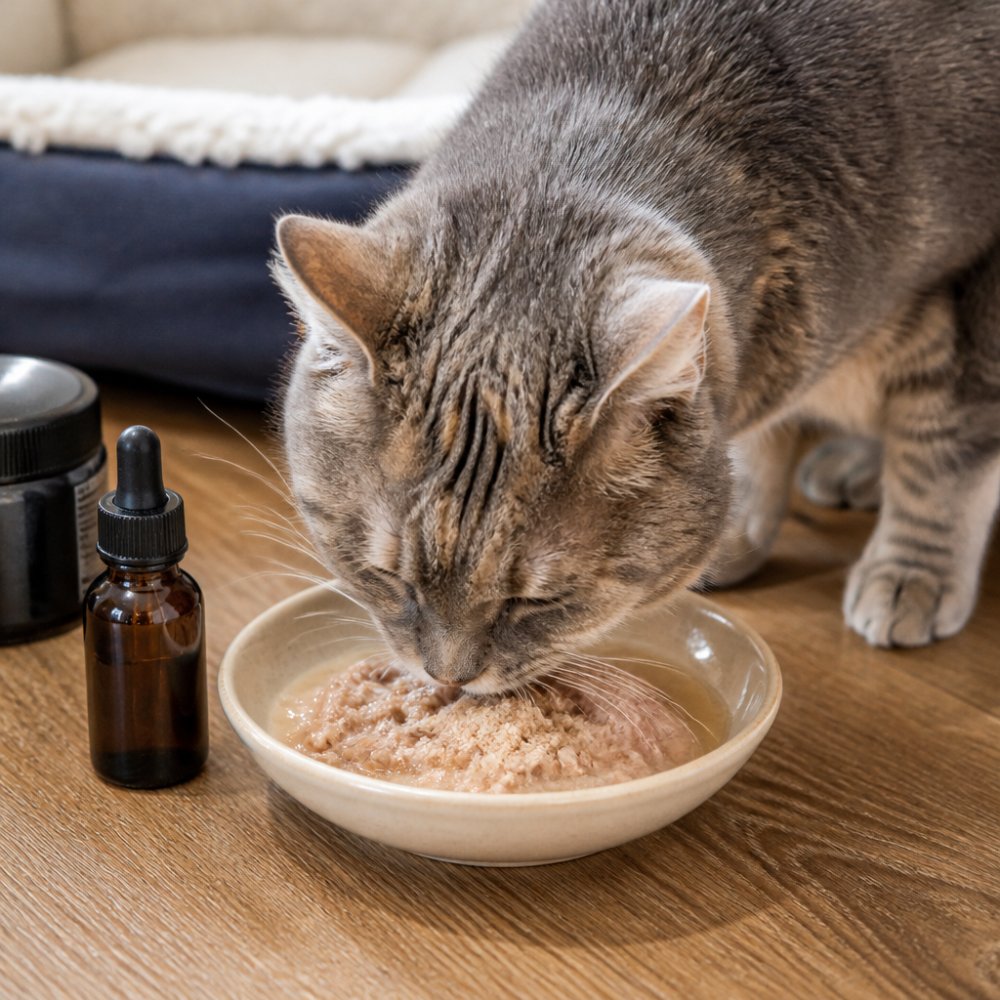
- Days 1-3: Mix a small amount into wet food or treats
- Days 4-7: Gradually increase the dose to the recommended level
- Week 2+: Continue at full dose while monitoring for changes
Monitor your cat's response by noting:
- Appetite or feeding behavior changes
- Digestive consistency (stool quality, frequency)
- Energy levels and activity patterns
Most supplements need 4-8 weeks of consistent use before noticeable changes emerge; improvements in joint mobility, cognitive clarity, or digestive comfort develop gradually.
Keep records of supplements, dosages, and observed effects.
Supporting your senior cat's wellness through natural supplements requires thoughtful selection, veterinary guidance, and consistent monitoring, combined with quality nutrition and preventive care.
Frequently Asked Questions
Do senior cats need supplements?
Senior cats often benefit from supplements as they age. Natural supplements for senior cat wellness can support immune function, joint mobility, cognitive sharpness, and digestive health. However, supplements work best alongside proper nutrition and veterinary care. Your cat's individual health status, existing conditions, and diet determine whether supplements are appropriate. A veterinarian can assess your cat's specific needs and recommend targeted support.
What supplements are good for older cats?
The best supplements for older cats depend on their health profile. Omega-3 fatty acids support heart and joint health. Probiotics aid digestive and gut health. Joint-support supplements with glucosamine and chondroitin promote mobility. Many cats benefit from a whole-body multivitamin that provides daily nutritional support across multiple systems.
Are natural supplements safe for senior cats?
Natural supplements can be safe when chosen carefully and introduced properly. Quality matters: look for products made by reputable manufacturers with transparent ingredient lists and third-party testing. Some natural ingredients, like garlic, can be toxic to cats, so verify safety before use. Senior cats may take other medications, which can interact with supplements. Always consult your veterinarian before starting any supplement to ensure it's appropriate for your cat's age, health conditions, and current medications.
Should I ask a veterinarian before giving my cat supplements?
Yes. A veterinary assessment is essential before introducing supplements to a senior cat. Your vet can identify age-related conditions, test for underlying health issues, and recommend supplements that address your cat's specific needs. They can also check for potential interactions with medications and advise on appropriate dosing. This preventive approach ensures supplements support wellness without causing harm and helps you avoid wasting money on unnecessary products.
How do I choose a supplement for my senior cat?
Start with a veterinary assessment to identify your cat's needs. Then evaluate product quality: check ingredient lists for transparency, look for third-party testing, and research the manufacturer's reputation. Read labels carefully to confirm dosing guidance and safety information. Choose supplements designed specifically for cats, not generic pet products. Consider your cat's preferences (liquid, gel, or powder formats). Introduce new supplements gradually and monitor for any changes in appetite, digestion, or behavior.
Can supplements replace a complete senior cat food?
No. Supplements support wellness but cannot replace a complete, balanced diet. Senior cat food formulated with appropriate nutrition remains the foundation of health. Supplements are targeted additions that address specific needs like joint mobility, immune support, or cognitive function. Nutrition-first care means prioritizing high-quality senior cat food, then adding supplements as recommended by your veterinarian. Together, they provide comprehensive preventive care and support optimal health in aging cats.
What should I monitor after introducing a supplement?
Track your cat's appetite, energy levels, coat condition, and digestion for the first 2-4 weeks after introducing a supplement. Note any changes in behavior, litter box habits, or mobility. Some cats may need time to adjust to new tastes or formats. If you notice negative changes (loss of appetite, vomiting, lethargy), stop the supplement and consult your vet. Keep records of which supplements your cat takes and any observations. This monitoring helps you assess effectiveness and catch any issues early.