 blog
Best Online Pet Food Delivery: 2026 Guide
Table of Contents
- What Makes the Best Online Pet Food Delivery Service
- Fresh vs. Dry Food: Which Delivery Option Suits Your Pet
- Benefits of Auto-Ship Pet Food Programs
- Pet Food Subscription Service Comparison: Key Factors
- Best Pet Food Storage Containers for Freshness 2026
- How to Choose Based on Your Budget and Delivery Needs
- Common Mistakes When Ordering Online Pet Food
- Conclusion
- Frequently Asked Questions
Last Updated: September 27, 2026
What Makes the Best Online Pet Food Delivery Service
The best online pet food delivery services combine three things: quality ingredients, reliable shipping logistics, and genuine convenience. Not all services excel at all three.
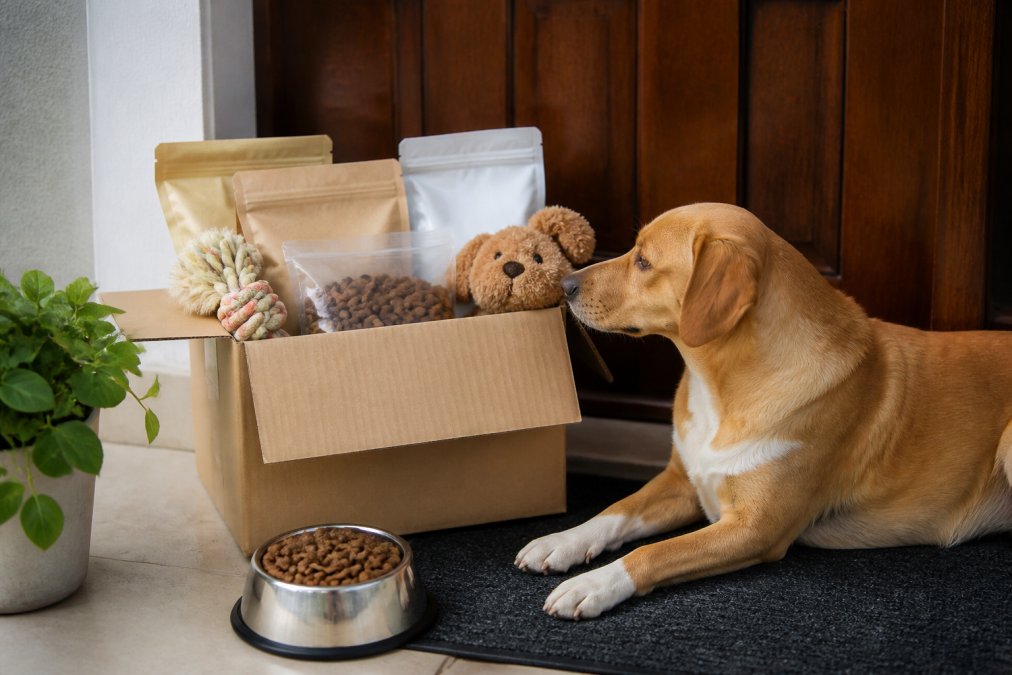
When you order pet food online, you're trusting a company to handle perishable or bulk items correctly. That means consistent cold-chain shipping for fresh options, proper packaging to prevent damage, and predictable delivery windows so your pet never runs out. At Best Online Pets Supply, we understand the importance of reliable delivery and proper packaging.
The right service matches your pet's specific needs. Some pets thrive on fresh, refrigerated diets. Others do better on premium dry kibble. Some owners need flexibility to adjust orders on the fly. Others want the simplicity of a locked-in auto-ship schedule. Before you choose an online pet food delivery service, you need to know what matters most to your situation.
Fresh vs. Dry Food: Which Delivery Option Suits Your Pet
Fresh pet food arrives refrigerated and typically requires freezer or fridge space. Dry kibble arrives shelf-stable and takes minimal storage room.
Fresh food appeals to owners who want human-grade ingredients and minimal processing. These diets often contain visible meat, vegetables, and whole foods. They ship in insulated boxes with ice packs. The trade-off is cost and storage demands. A household with limited freezer space may struggle with a fresh food subscription. A household with multiple large dogs might need an extra freezer just to keep up with deliveries.
Dry kibble offers simplicity and bulk savings. It doesn't require special storage conditions beyond a cool, dry place. Most dry foods have longer shelf lives, which matters if you want to build a small buffer supply. The downside is less transparency about ingredient sourcing and processing methods.
Many pet owners split the difference: they use fresh food as the primary diet and dry kibble as backup or training treats. This hybrid approach gives you flexibility without forcing you to choose one path completely.
Benefits of Auto-Ship Pet Food Programs
Auto-ship subscriptions eliminate the friction of remembering to reorder. Your pet food arrives on a schedule you set, whether that's every two weeks, monthly, or every six weeks.
This matters more than it sounds. Pet owners with busy schedules often report running out of food unexpectedly, then scrambling to buy whatever's available locally at inflated prices. An auto-ship pet food program prevents that chaos. Your delivery arrives before you run out.
Most auto-ship programs also include modest discounts compared to one-time purchases. A family spending a few hundred dollars annually on pet food sees real savings.
Flexibility is a key benefit. Good auto-ship services let you pause, skip, or adjust orders without penalties. If your vet recommends switching foods, you can change your subscription. If you're traveling, you can delay delivery. If your pet's appetite changes, you can adjust portion size.
The biggest risk is inertia. Some owners sign up for auto-ship and forget about it, continuing to order food their pet no longer needs or can't eat. Set a calendar reminder every few months to review whether your current subscription still matches your pet's actual situation.
Pet Food Subscription Service Comparison: Key Factors
When comparing services, evaluate these dimensions:
Ingredient transparency. Can you see exactly what's in the food? Are the ingredients listed clearly? Do they match what the marketing claims? Services that hide ingredient sourcing or use vague descriptions like "meat meal" or "poultry by-products" raise questions.
Customization options. Can you choose specific proteins, grain-free formulas, or limited-ingredient diets? Some services offer dozens of options. Others offer three. Your pet's dietary restrictions determine which matters.
Delivery frequency and flexibility. Can you adjust how often you receive shipments? Can you pause without canceling? Can you change your order before it ships? Rigid subscription terms are a red flag.
Nutritional quality. Look for services that work with veterinarians or nutritionists to formulate their diets. Vet-formulated options are more likely to meet AAFCO standards for complete and balanced nutrition.
Shipping reliability. Read customer reviews specifically about delivery timing and condition. Do packages arrive on schedule? Does fresh food arrive still cold? Are damaged items replaced?
| Factor | What to Look For | Red Flags |
|---|---|---|
| Ingredients | Transparent sourcing, named proteins, minimal fillers | Vague descriptions, "by-products", hidden ingredient lists |
| Customization | Multiple protein/formula options, easy adjustments | Limited choices, locked-in selections, no flexibility |
| Delivery | Consistent timing, temperature control, damage protection | Missed windows, melted ice packs, damaged goods without replacement |
| Cost | Clear pricing, transparent discounts, no hidden fees | Surprise charges, difficult cancellation, misleading "free" shipping terms |
| Support | Responsive customer service, easy adjustments | Slow responses, complicated processes, hard to change orders |
Best Pet Food Storage Containers for Freshness 2026
Proper storage extends the life of pet food and keeps it fresh until your pet eats it.
For dry kibble, airtight containers with tight-sealing lids work best. Glass or food-grade plastic containers prevent moisture and pests from getting in. Sealed containers also keep kibble from absorbing odors from your pantry. A good container holds 20-30 pounds of kibble and fits in a standard pantry or cabinet.
For fresh pet food, freezer storage is standard. Most fresh deliveries arrive in portions designed to fit in standard freezers. A deep freezer gives you more flexibility for bulk orders. If you're ordering fresh food monthly, consider whether your current freezer space can handle it before committing to a subscription.
Rotation matters. Use older food first. If you're storing multiple bags or containers, label them with the purchase date. This prevents accidentally serving expired food.
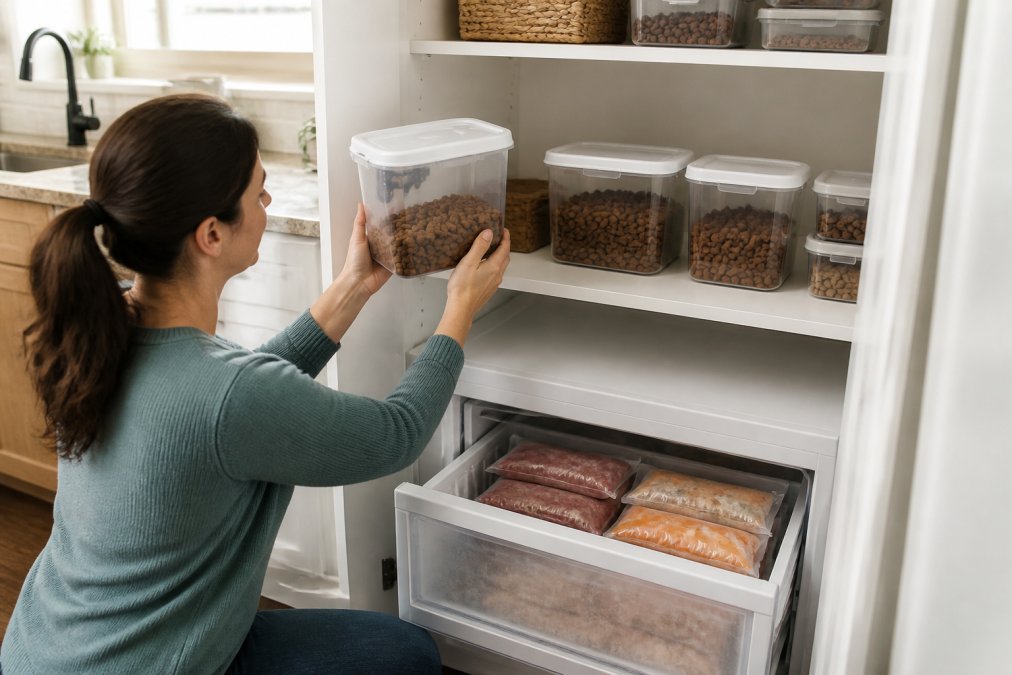
Temperature control is critical for fresh food. Keep your freezer at 0°F or below. For refrigerated fresh food, keep it at 40°F or below and use it within 3-5 days of thawing. Follow storage instructions provided with fresh pet food.
How to Choose Based on Your Budget and Delivery Needs
Your budget determines what's realistic. Fresh food costs more than dry kibble. Premium brands cost more than standard ones. Auto-ship discounts help, but they don't eliminate the price difference.
Start by calculating what you currently spend on pet food. Then research what services cost for your pet's size and dietary needs. Some services offer sample packs or trial periods at reduced prices, which can be useful for testing before committing to a full subscription.
Consider total cost, not just per-pound price. Delivery fees, subscription minimums, and storage requirements all factor in. A service with lower per-pound pricing but high delivery fees might cost more than a competitor with higher per-pound pricing and free shipping over a certain amount.
Delivery frequency affects your decision. If you have limited freezer space, monthly deliveries might work better than weekly ones. If you have multiple pets, bulk quarterly orders might make more sense than frequent small shipments. Choose a service that offers the frequency your situation actually supports.
Best Online Pets Supply offers free shipping on orders over $99, which matters for budget planning. Calculate whether you can consistently reach that threshold with your pet's needs. If you have one small cat, you might struggle to hit $99 monthly.
Common Mistakes When Ordering Online Pet Food
The biggest mistake is switching foods too quickly. Your pet's digestive system needs time to adjust to new food. A sudden switch often causes upset stomach or diarrhea. Introduce new food gradually over 7-10 days, mixing increasing amounts of the new food with the old food until the transition is complete.
Conclusion
Choosing the best online pet food delivery service means matching your pet's nutritional needs with your practical constraints: budget, storage space, and delivery schedule. The right service should offer quality ingredients, reliable shipping, and genuine flexibility to adjust as your pet's needs change.
Frequently Asked Questions
Frequently Asked Questions
What is the best online pet food delivery service for my dog?
The best online pet food delivery service depends on your priorities: convenience, freshness, price, or specialized diets. Look for services offering auto-ship flexibility, transparent sourcing, reliable cold-chain shipping for fresh options, and customization for dietary restrictions. Check whether they guarantee delivery windows, allow easy order adjustments, and provide loyalty rewards. Best Online Pets Supply offers free shipping on qualifying orders and focuses on high-quality, healthy options tailored to your pet's needs.
How do pet food subscription services work?
Pet food subscriptions use recurring orders, typically called auto-ship programs, that deliver food on your chosen schedule, weekly, bi-weekly, or monthly. You select your pet's food type, quantity, and delivery frequency, then adjust or cancel anytime. Most services offer discounts for subscriptions compared to one-time purchases. You manage orders through a customer portal.
What should I consider when choosing between fresh and dry pet food delivery?
Fresh food takes up freezer space but offers higher palatability and nutrient density. Dry kibble is shelf-stable, easier to store, and typically lower-cost, but may contain preservatives. Consider your pet's health profile, storage capacity, budget, and how quickly your pet consumes food. Some owners combine both, fresh meals supplemented with dry kibble.
Are there hidden costs with online pet food delivery?
Pricing depends on quantity, delivery frequency, food type, and whether you qualify for free shipping thresholds. Some services charge for expedited or cold-chain shipping, while others include it. Subscription discounts vary by provider. Always check the minimum order requirement for free shipping offers, as you don't want to buy more than needed just to qualify. Review the cancellation policy, some services charge restocking fees or lock you into commitments. Best Online Pets Supply offers free shipping on orders over $99, so calculate your typical monthly spend to ensure you benefit.