 blog
Best Natural Dog Food 2026: Guide to Premium Nutrition
Table of Contents
- What Makes Natural Dog Food Different
- What to Look for in Natural Dog Food
- Benefits of Natural Dog Food for Sensitive Stomachs
- Life Stage and Breed-Specific Nutritional Needs
- How to Transition Dog Food Safely
- Fresh vs. Kibble: Comparing Natural Food Formats
- Cost-Per-Day Analysis and Long-Term Value
- Environmental Sustainability in Natural Dog Food
- Frequently Asked Questions
Last Updated: September 24, 2026
What Makes Natural Dog Food Different
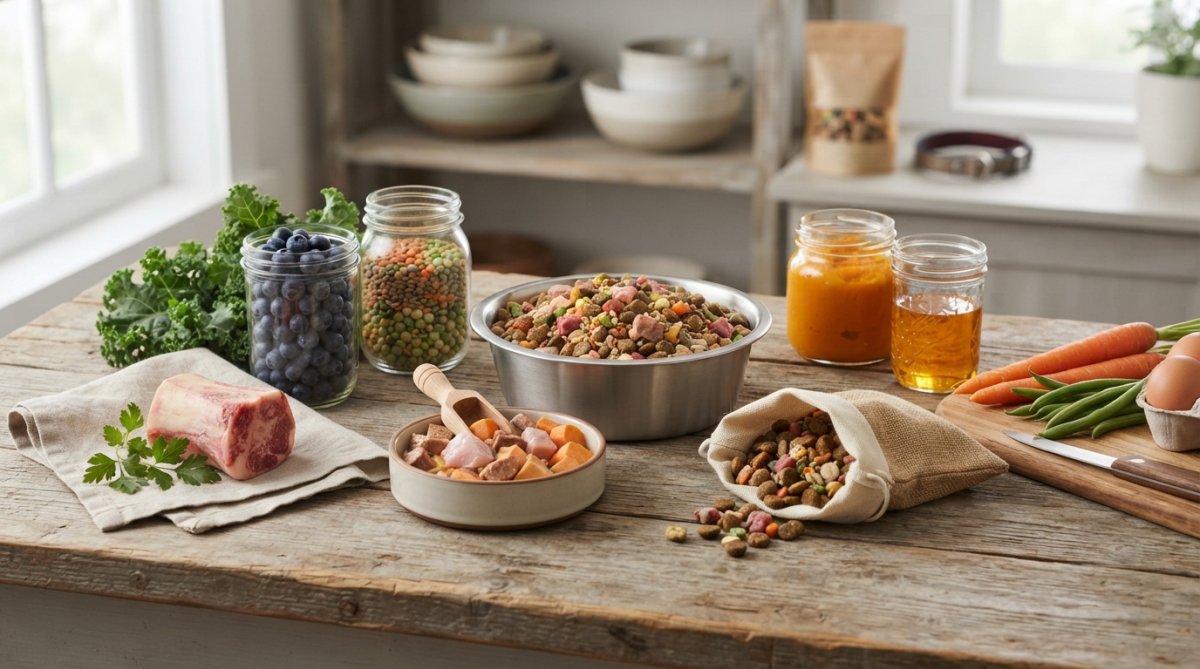
The best natural dog food prioritizes whole ingredients without artificial additives, synthetic preservatives, or excessive fillers. Most commercial dog foods rely on by-products and synthetic vitamins, while natural formulations start with human-grade or gently-cooked real meat as the primary protein source, then build around whole vegetables, fruits, and grains.
When your dog's digestive system processes fewer synthetic compounds and fillers, it absorbs nutrients more efficiently. When your dog's digestive system processes fewer synthetic compounds and fillers, it absorbs nutrients more efficiently.
The distinction matters most for dogs with sensitive stomachs or skin issues. A dog struggling with conventional kibble may thrive on a natural formula because the limited ingredient list removes common irritants. That said, "natural" isn't a regulated term in pet food labeling, which is why understanding what to actually look for becomes critical.
What to Look for in Natural Dog Food
Reading ingredient lists and guaranteed analysis labels separates informed choices from marketing claims.
Reading the Guaranteed Analysis Label
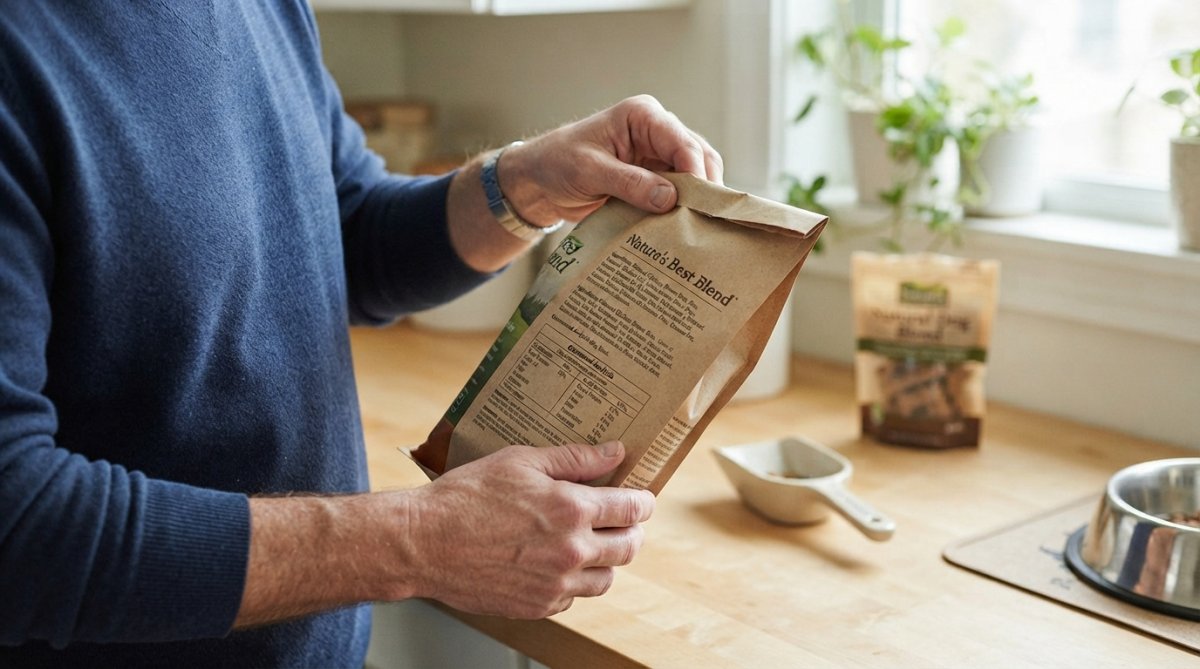
The guaranteed analysis shows minimum protein and fat percentages, plus maximum fiber and moisture content. Look for protein levels between 18-25% for adult dogs and fat content from 10-15%. Fiber should stay under 5%, as excessive fiber can reduce nutrient absorption.
A food listing "chicken" first but containing only 18% protein delivers less actual nutrition than one listing multiple meat sources totaling 26% protein. Lower moisture in kibble means higher nutrient concentration per cup.
Identifying Real Meat vs. Fillers
Real meat appears as whole proteins: chicken, beef, fish, lamb. Avoid "meat meal," "meat by-products," or "animal by-products", these are rendered scraps with unknown origins and significantly lower bioavailability.
Fillers like corn, soy, and wheat provide cheap calories without nutritional density. A natural formula should list vegetables, fruits, or legumes instead. Look for named sources: "sweet potato" beats "vegetable by-products." Amino acids matter more than ingredient count; a formula with fewer ingredients but complete amino acid profiles supports better muscle development than one with numerous ingredients lacking balance.
Understanding AAFCO Standards
AAFCO (Association of American Feed Control Officials) sets nutritional standards that all dog foods must meet to claim completeness. Check for life-stage specificity: "puppy," "adult," or "senior." A formula labeled only "all life stages" may not optimize nutrition for growing puppies or aging joints.
The statement "animal feeding tests" indicates the formula was tested on real dogs, not just calculated to meet standards, signaling quality commitment beyond regulatory requirements.
Benefits of Natural Dog Food for Sensitive Stomachs
Dogs with sensitive stomachs respond well to natural formulas because limited ingredient diets remove common triggers: corn, soy, artificial colors, and synthetic preservatives. When digestive upset stems from food sensitivities, switching to natural options often resolves symptoms within 7-14 days.
Probiotics and prebiotics in premium natural foods support beneficial gut bacteria, improving nutrient absorption and stool quality. Natural foods with gently-cooked preparation preserve digestive enzymes better than high-heat processing.
The transition period matters significantly. Moving too quickly from conventional to natural food can temporarily worsen digestion because the gut microbiome adjusts to different fiber sources. A gradual transition over 7-10 days minimizes this disruption.
Some dogs require hydrolyzed protein or novel protein sources (venison, duck, salmon) to avoid triggers entirely. Natural brands offer these specialized formulas more readily than mass-market options.
Life Stage and Breed-Specific Nutritional Needs
Nutritional requirements shift dramatically across a dog's lifespan. A formula optimized for puppies won't serve senior dogs well, and giant breeds need different calcium-to-phosphorus ratios than small breeds to prevent joint problems.
Puppies: Building a Strong Foundation
Puppies require higher protein (22-32%) and fat (10-15%) to support rapid growth and brain development. Calcium and phosphorus become critical; improper ratios can cause skeletal deformities, especially in large-breed puppies.
Growth-stage formulas should list whole meat as the primary ingredient and include DHA for cognitive development. Most puppies transition to adult food around 12 months, though giant breeds benefit from extended puppy nutrition until 18-24 months.
Adult Dogs: Maintaining Optimal Health
Adult dogs thrive on natural formulas with 18-25% protein and 10-15% fat. Omega fatty acids become essential for skin and coat support, joint health, and cognitive function.
Weight management becomes relevant for many adults. Natural foods with higher fiber and lower caloric density help maintain healthy weight without sacrificing nutrition. Most adult dogs do well on consistent, high-quality nutrition without frequent formula changes.
Senior Dogs: Supporting Joint and Cognitive Health
Senior dogs (7+ years) benefit from formulas emphasizing joint support and cognitive function. Glucosamine, chondroitin, and omega-3 fatty acids reduce arthritis progression and improve mobility.
Protein becomes even more critical for seniors; many show muscle loss that higher protein intake reverses. A senior formula should maintain 18-22% protein while reducing overall calories to prevent obesity that stresses aging joints.
How to Transition Dog Food Safely
Switching abruptly from conventional to natural food causes digestive upset in most dogs. A gradual transition allows the microbiome to adjust to new ingredient profiles without vomiting or diarrhea. This process is especially critical when moving to natural formulas, which often contain different fiber ratios and ingredient sources.
The 7-10 Day Transition Schedule
Begin with a 7-10 day gradual shift: 75% old food, 25% new for days 1-2; 50/50 on days 3-4; 25% old, 75% new on days 5-6; 100% new by day 7-10.
Consistency matters more than speed. Feeding at the same times daily helps the digestive system adapt predictably. Avoid introducing treats or other new foods during the transition period.
Managing Digestive Upset During Transitions
Mild digestive upset during transition is expected and usually resolves within days. Slightly softer stools, reduced appetite, or mild gas typically indicate normal adjustment.
Warning signs requiring adjustment:
- Vomiting (more than once per day)
- Severe diarrhea (watery, frequent, or bloody)
- Complete loss of appetite lasting more than 2 days
- Lethargy or signs of abdominal pain
If severe symptoms appear, pause the transition for 2-3 days at the current ratio, then continue more gradually. Some sensitive dogs need 14-21 days instead of 7-10.
Targeted Support for Sensitive Digestive Systems
Probiotics: Multi-strain formulas (at least 5-10 billion CFU) containing Lactobacillus and Bifidobacterium support the new food's digestion. Start 2-3 days before the food transition.
Digestive enzymes: For dogs with pancreatitis history, plant-based enzymes (amylase, protease, lipase) support nutrient breakdown during transition.
Pumpkin and fiber: Plain pumpkin puree at 1-2 tablespoons daily supports digestive stability. Introduce 2-3 days before the food transition begins.
Bone broth: Low-sodium, collagen-rich bone broth (1-2 tablespoons mixed into meals) provides amino acids supporting gut lining integrity.
Extended Transition Protocols for Severe Sensitivities
Dogs with documented food allergies or inflammatory bowel disease may require 14-21 day transitions or intermediate bridge formulas. Ask your veterinarian about using a limited-ingredient or hydrolyzed protein bridge formula for 1-2 weeks before introducing the target natural food.
Fresh vs. Kibble: Comparing Natural Food Formats
Natural dog food comes in multiple formats: kibble, fresh-frozen, gently-cooked, raw-coated, and freeze-dried. Each offers different benefits and trade-offs in convenience, cost, and digestibility.
Cost-Per-Day Analysis and Long-Term Value
Natural dog food costs more per pound than conventional options, but cost-per-day analysis often reveals competitive or superior value when accounting for feeding amounts, nutrient density, and long-term health outcomes.
Calculating True Cost-Per-Day
The per-pound price is misleading because natural formulas have higher nutrient density, requiring smaller portions.
Long-Term Health Cost Offsets
Veterinary visits: Dogs on conventional diets with sensitivities average 2-4 vet visits annually for digestive issues ($150-300 each). Dogs on natural food might average 0-1 visit annually. Annual savings: $150-900.
Total potential annual offset: $1550-3500 for a medium dog.
Real-World Cost Scenarios
Scenario 1: 40-pound moderately active dog
- Conventional kibble: $0.87 daily ($318 annually) + $1200 vet/supplement = $1518 total
- Natural kibble: $1.18 daily ($431 annually) + $400 vet/supplement = $831 total
- Net savings with natural food: $687 annually
Scenario 2: 70-pound active dog with digestive sensitivity history
- Conventional kibble: $1.47 daily ($537 annually) + $2400 vet/supplement = $2937 total
- Natural kibble: $1.56 daily ($569 annually) + $600 vet/supplement = $1169 total
- Net savings with natural food: $1768 annually
Maximizing Value on a Budget
Bulk purchasing and subscriptions: Many natural brands offer 10-15% discounts for auto-delivery subscriptions, reducing daily cost by $0.15-0.25.
Environmental Sustainability in Natural Dog Food
Ingredient sourcing and packaging increasingly influence purchasing decisions. Look for brands using sustainably sourced fish and ethically raised meat. Regenerative agriculture practices for vegetables and grains reduce environmental impact compared to conventional farming.
Frequently Asked Questions
What should I look for in a natural dog food label?
Look for named meat sources (chicken, beef, salmon) listed first, AAFCO certification for complete and balanced nutrition, and absence of artificial preservatives. Check the guaranteed analysis for protein and fat percentages appropriate to your dog's life stage. Avoid by-products, fillers, and vague ingredient terms like 'meat meal.' Natural dog food should have digestible, nutrient-dense ingredients that support bioavailability of amino acids and omega fatty acids.
How long does it take to transition a dog to natural dog food?
A safe transition typically takes 7-10 days. Mix gradually: 25% new food with 75% old food for days 1-3, then 50/50 for days 4-6, then 75% new with 25% old for days 7-9, and finally 100% new food by day 10. For dogs with sensitive stomachs, extend this to 10-14 days. Monitor for digestive changes like loose stool, and slow the transition if issues arise. Probiotics and prebiotics can support gut health during the switch.
Is grain-free natural dog food better for all dogs?
No. Grain-free is beneficial for dogs with grain allergies or sensitivities, but not necessary for all dogs. Many dogs thrive on grain-inclusive diets with whole grains like oats or barley. The key is digestibility and ingredient quality, not grain presence. Work with your veterinarian to determine if your dog has a genuine grain sensitivity or if limited ingredient diets would be more appropriate for their specific health needs.
What makes natural dog food better for sensitive stomachs?
Natural dog food with limited ingredients, real meat sources, and no artificial additives reduces digestive triggers. High-quality proteins and fats improve nutrient bioavailability, meaning easier digestion and better nutrient absorption. Ingredients like probiotics and prebiotics support healthy gut bacteria, while the absence of fillers and by-products means less digestive stress. Gently-cooked or human-grade options offer additional digestibility benefits for dogs prone to digestive upset.